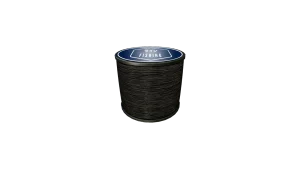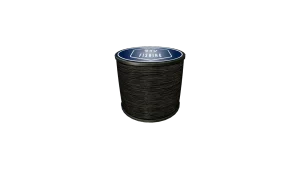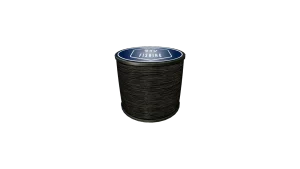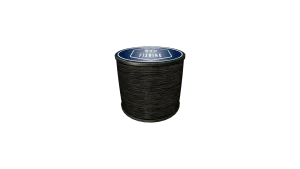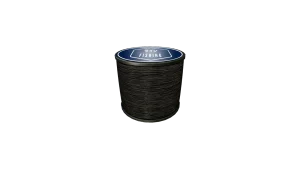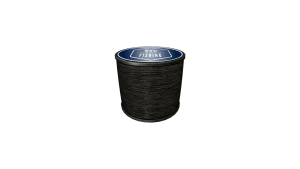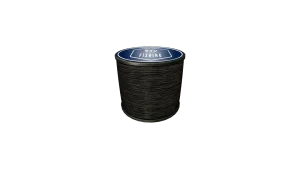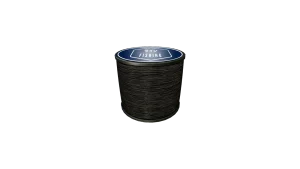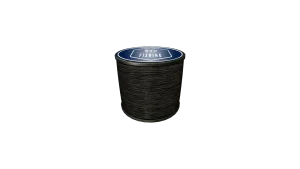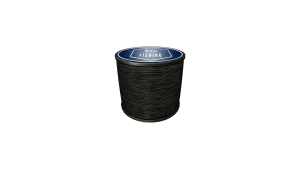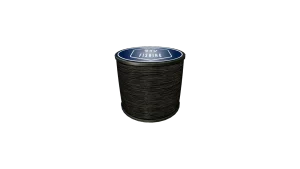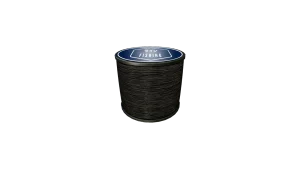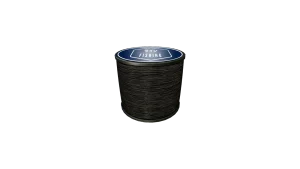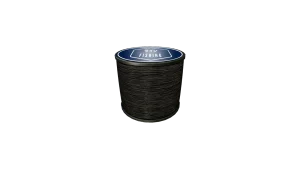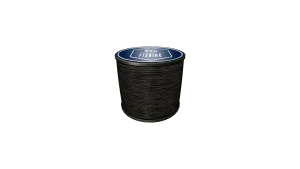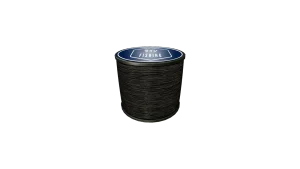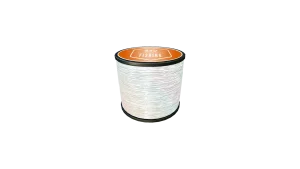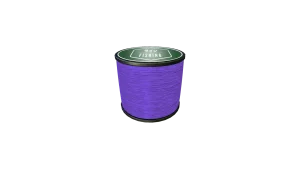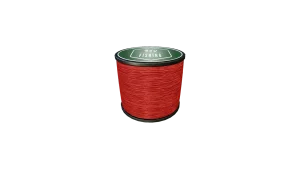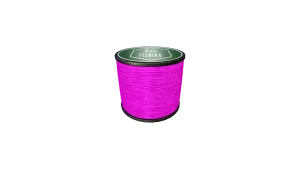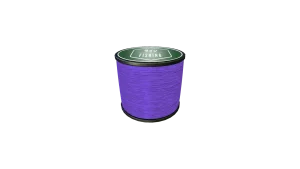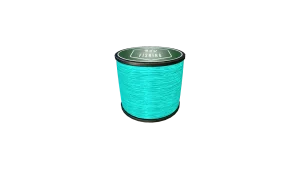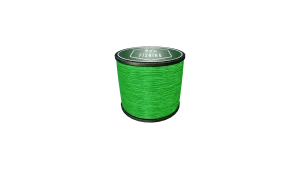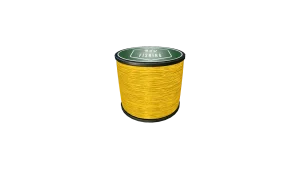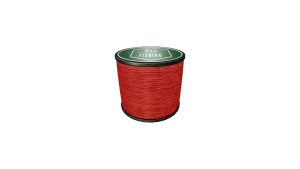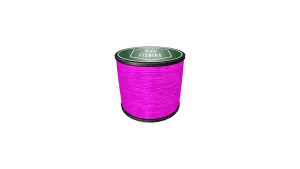
The line is the one piece of tackle that touches every part of the fight, and its test weight is the single most consequential number in your setup. It caps what you can land, and it is part of how a catch is scored: a fish is worth 1,300 points per kilogram and the line costs 300 points per kilogram of its rating, so the same fish scores higher on lighter line.
That trade is the whole game. Land a fish heavier than the line is rated for and the charge comes back multiplied, which is where the largest scores come from; snap off and you get nothing. Fishing a rating just under what you expect to hook is the deliberate risk the scoring rewards.
The three types behave differently under load. Monofilament stretches, which forgives a heavy hand on the drag and a sudden lunge at the net. Fluorocarbon is the hardest to see underwater and sinks, so it suits clear water and wary fish. Braid has no stretch at all, so every knock reaches the rod tip and it is by far the strongest for its diameter, but it is highly visible and unforgiving of a tight drag.
Thickness matters as much as rating. A thinner line of the same strength casts further, sinks faster and is less visible, which is why braid at a given test weight fishes very differently from mono at the same number.